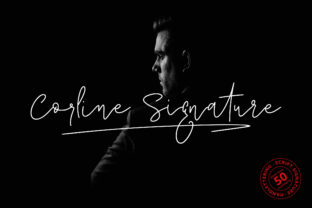
Corline Signature: A Stylish Handwritten Font
There’s a moment in editorial design when the right font can transform a project from good to great. It happens when you’re finalizing a blog header, crafting a newsletter graphic, or selecting a cover font for an ebook. That’s when Corline Signature enters the scene—a premium font that brings a blend of sporty energy and luxurious elegance to any layout.
The Visual Character of Corline Signature
Corline Signature is a script handwritten font with a distinct personality. Its curves are fluid yet deliberate, giving it a sense of motion that feels both dynamic and refined. The rhythm of the letters flows naturally, making it ideal for headings and display text where visual appeal is key. Its unique charm lies in the balance between casual spontaneity and polished typography, making it a standout choice for creative projects.
Real-World Applications for Corline Signature
Imagine redesigning a lifestyle blog’s header. Corline Signature could serve as the main title, adding a touch of personality that reflects the brand’s voice. For a recipe ebook, it might appear on the cover, drawing readers in with its expressive style. In a wedding guide, it could be used for section headers, offering a soft, elegant contrast to more structured text.
In a coaching workbook, Corline Signature could highlight key takeaways or motivational quotes, reinforcing the content’s message with a personal touch. As a printable planner, it might add a decorative flourish to monthly overviews or goal-setting sections, enhancing the user experience without overwhelming the reader.
While Corline Signature excels as a display font, it also supports readability in editorial layouts when used thoughtfully. Its open letterforms and consistent spacing make it suitable for short phrases, pull quotes, and decorative accents. However, it’s not designed for long-form body text. When paired with a complementary serif or sans serif font, it can create a strong visual hierarchy that guides the reader through the content.
For digital publications, Corline Signature performs well on screens, maintaining clarity across various devices. Its legibility improves when used at larger sizes, making it ideal for headlines and subheadings. In print materials, it adds a tactile quality that enhances the overall aesthetic of brochures, flyers, or branded merchandise.
Practical Pairing and Design Considerations
When using Corline Signature in editorial design, consider pairing it with a clean, readable font for body copy. A classic serif like Georgia or a modern sans serif like Lato can provide a stable foundation, allowing the script font to shine as a focal point. This combination works especially well in newsletters, magazines, and digital magazines where contrast and clarity are essential.
Font pairing isn’t just about aesthetics—it’s about functionality. Corline Signature’s expressive nature makes it perfect for titles, chapter openers, and decorative elements. But for captions, small text, or dense paragraphs, a more neutral typeface will ensure the message remains clear and accessible.
Editorial Uses and Limitations
Corline Signature is best suited for projects that benefit from a personal, artistic touch. It’s ideal for branding, social media graphics, and creative fonts that require a unique identity. However, it may not be the best choice for formal reports, academic papers, or legal documents where a more restrained typeface is expected.
For content creators, this font can be a powerful tool in building a recognizable brand. Whether it’s a digital magazine layout, a course PDF, or a printable worksheet, Corline Signature adds character that aligns with the project’s tone and purpose.
Checking Font Features and Licensing
Before integrating Corline Signature into any project, it’s important to review its features. Check for included styles, alternates, ligatures, and weights to ensure it meets your design needs. Multilingual support and file formats should also be considered, especially if the font will be used in international publications or across different platforms.
Commercial licensing is another key factor. If you plan to use Corline Signature in ebooks, templates, printables, or client projects, make sure the license covers those uses. This ensures compliance and avoids potential issues down the line.
Corline Signature is more than just a font—it’s a design asset that can elevate the look and feel of any editorial project. Its blend of sporty energy and luxurious style makes it a versatile choice for bloggers, publishers, and designers looking to add a personal touch to their work.