Blue Dahlia Font for Creative Makers
There’s something about the way Blue Dahlia flows across a label that feels like a personal touch. I was working on a set of candle labels last week, and as I typed out the scent names in Blue Dahlia, I could almost hear the soft brush strokes on the paper. It’s a font that brings warmth and personality to every project it touches.
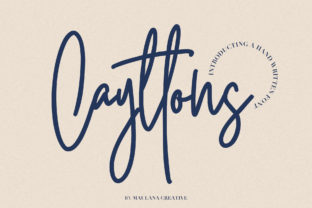
Blue Dahlia is a bold handwritten script with an authentic brush style. It has a natural, almost organic feel—like someone took a brush and wrote it by hand. The curves are smooth, the lines have weight, and the overall look feels both modern and timeless. It’s perfect for anything that needs a little extra flair without being too over the top.
I’ve used Blue Dahlia on greeting cards, wedding invitations, and even printable wall art. Each time, it adds a unique character that makes the design feel more personal. For example, when I designed a set of farmhouse signs, Blue Dahlia gave the text just the right amount of elegance and charm. It wasn’t too fancy, but it had enough personality to stand out.
One of the things I love most about Blue Dahlia is how well it works with other fonts. I often pair it with a clean sans serif or a simple serif to balance the design. On a tote bag, for instance, I might use Blue Dahlia for the main text and a sans serif for the tagline. It creates a nice contrast that keeps the design from feeling too busy.
When I’m preparing product mockups, I always test Blue Dahlia at different sizes. It looks great on large banners and digital downloads, but it also holds up well on small stickers and labels. I’ve used it on candle labels, seasonal tags, and even on a set of boutique tags for a local shop. In each case, it added a sense of quality and care that customers can feel.
For handmade sellers, Blue Dahlia is a go-to font for shop branding. Whether it’s on a listing image, a packaging insert, or a social media graphic, it helps create a consistent visual identity. It’s especially useful for creating a cohesive look across different products, like mugs, shirts, and tote bags. The font’s versatility makes it easy to use in multiple formats without losing its appeal.
When I’m designing printable templates, I always check how Blue Dahlia looks in different file formats. It works well in PNG, SVG, and PDF, which is important for digital downloads. I also make sure to test it on different backgrounds to see how it stands out. Sometimes, a light background makes the font pop more, while a dark one gives it a more dramatic feel.
Readability is another key factor when using Blue Dahlia. It’s best suited for short phrases, titles, and decorative wording. While it’s not ideal for long paragraphs, it shines when used as a headline or accent text. I’ve found that keeping the text concise helps maintain clarity, especially when cutting with Cricut or Silhouette machines.
One thing to keep in mind is that Blue Dahlia comes in different styles and weights. I always check the included alternates, ligatures, and swashes before finalizing a design. These details can make a big difference in how the font looks on different surfaces and in different sizes.
For commercial use, it’s important to verify the licensing terms. If you’re selling physical products, printables, or digital downloads, make sure you have the right to use Blue Dahlia in those contexts. Most premium fonts include clear guidelines, but it’s always good to double-check before launching a new product.
Whether I’m working on a seasonal project, a custom invitation, or a batch of printable wall art, Blue Dahlia has become a staple in my design toolkit. It’s a font that feels personal, professional, and perfectly suited for handmade creations. Its blend of style and usability makes it a favorite among makers who want to add a touch of creativity to their work.
From candle labels to wedding stationery, Blue Dahlia brings a sense of authenticity and charm that’s hard to replicate. It’s a font that speaks to the heart of handmade design, offering a unique voice for every project it graces.
As I continue to explore new ways to use Blue Dahlia, I’m always reminded of how much it enhances the creative process. It’s more than just a font—it’s a tool that helps bring ideas to life with a personal, artistic touch.